Respite care for caregivers of aging parents: how to plan a break, find help, and pay for it
Respite care for caregivers of aging parents: where to ask in the US, Canada, and the UK, who pays, Medicare’s rules, and a care briefing template.
Plain-language guides on caring for an elder.
Written by co-founders Jacqui Murphy and Mike Kirkup, both family caregivers. Read about Elderella or see what Ella does.
Respite care for caregivers of aging parents: where to ask in the US, Canada, and the UK, who pays, Medicare’s rules, and a care briefing template.

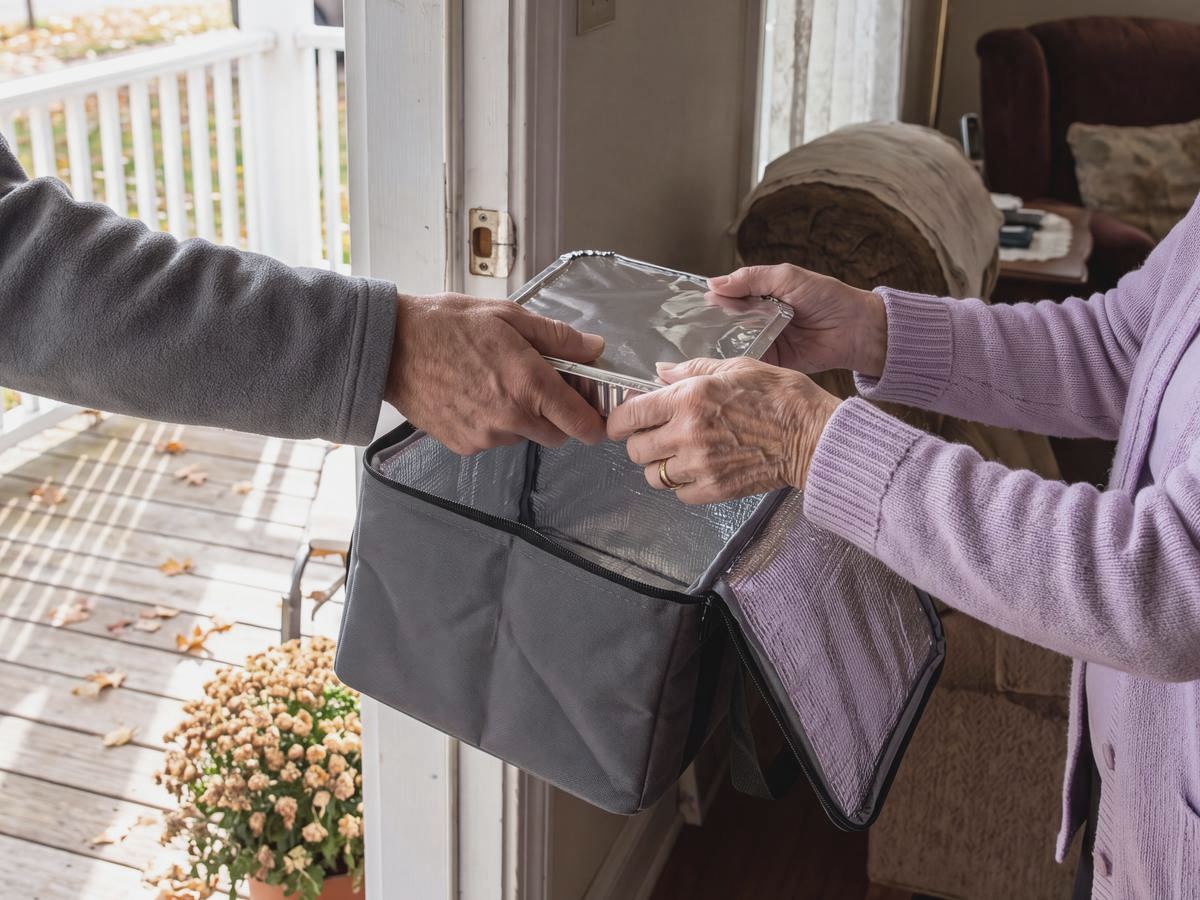
Help for the elderly at home in the US, Canada, and the UK: the number to call first, the program for meals, aides, or snow, how to vet a carer, and who pays.
What should I have ready for the emergency room at 2am? A list of medications and allergies, any DNR or POLST form, and a packed hospital bag.
Long-distance caregiving: what you can do from home, who to ask nearby, and the free services that help in the US, Canada and the UK.
The house, the bank, the pets, the passwords: every part of elder care worth sorting out. Keep it in Elderella, or print a paper copy.
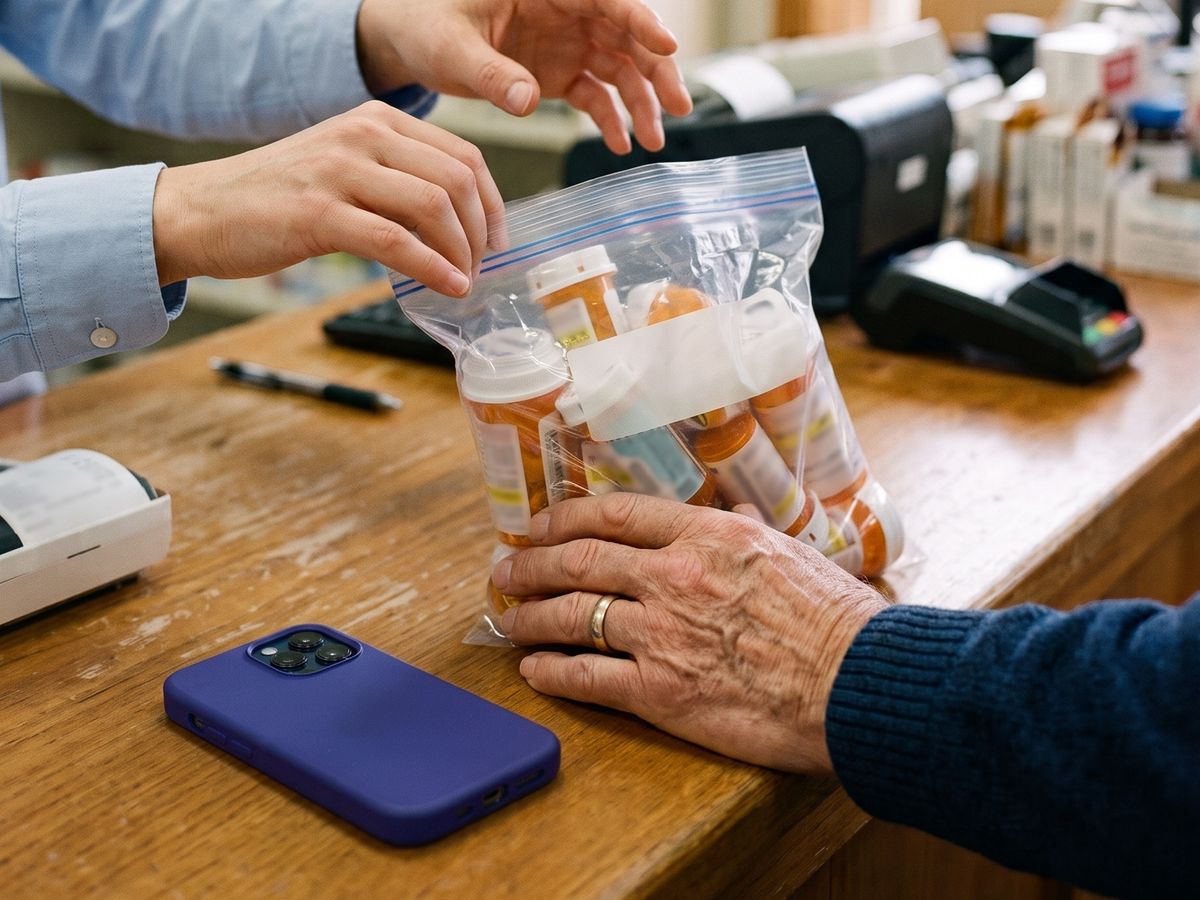
How to build one medication list tonight, and how to keep it right when prescriptions change.
Write one update a week, send it on the same day, and call only for news that can't wait. A six-line template to copy, and what to leave out.
Do four things this week: a doctor's follow-up on what changed, one list of every medication, permission to talk to the doctor, and one call to local help. The rest can wait.
A few lines a day: medications, what the doctor said, meals and sleep, mood, and questions for the next appointment. Then share them so you're not the only one who knows.
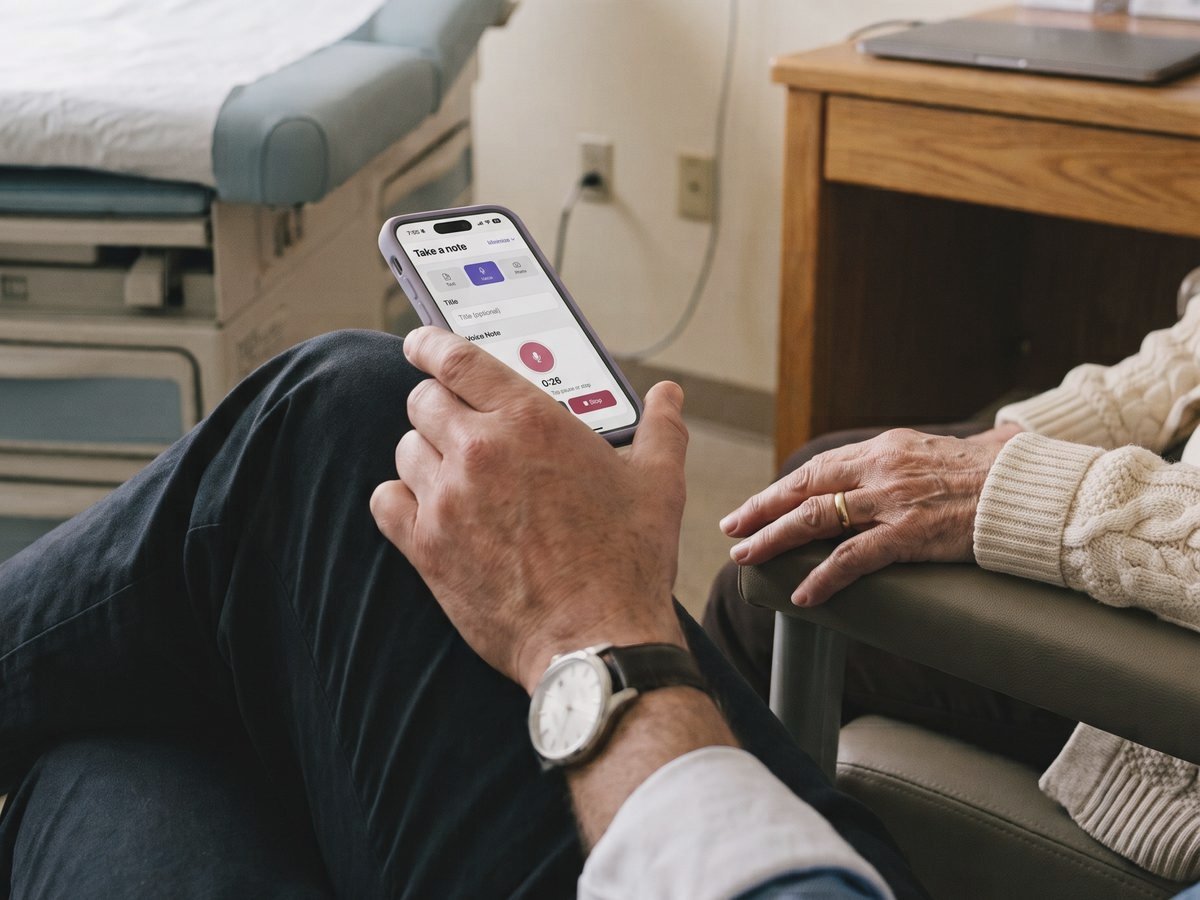
In most of the US and everywhere in Canada you can record your own appointment, and about a dozen US states ask for everyone's agreement first. Ask before you press record anyway, and check the rules where you live.
Where to begin when it all lands at once: what matters this week, what matters this month, and what you can leave for later.
What to keep track of, how to keep it in order, and who else should be able to see it, so nothing depends on your memory alone.
Who to bring in, how to ask, and how to set things up so the care keeps going when you're sick, away, or taking a week off.
How to tell when you're running on empty, what helps before it gets that far, and who can step in so you can stop for a while.